EU Regulators Warn Quantum Computers Could Break Blockchain Crypto Sooner Than Expected
A joint warning from European watchdogs revives the debate over roughly 6.9 million bitcoin sitting in exposed legacy wallets, valued at about $586 billion.

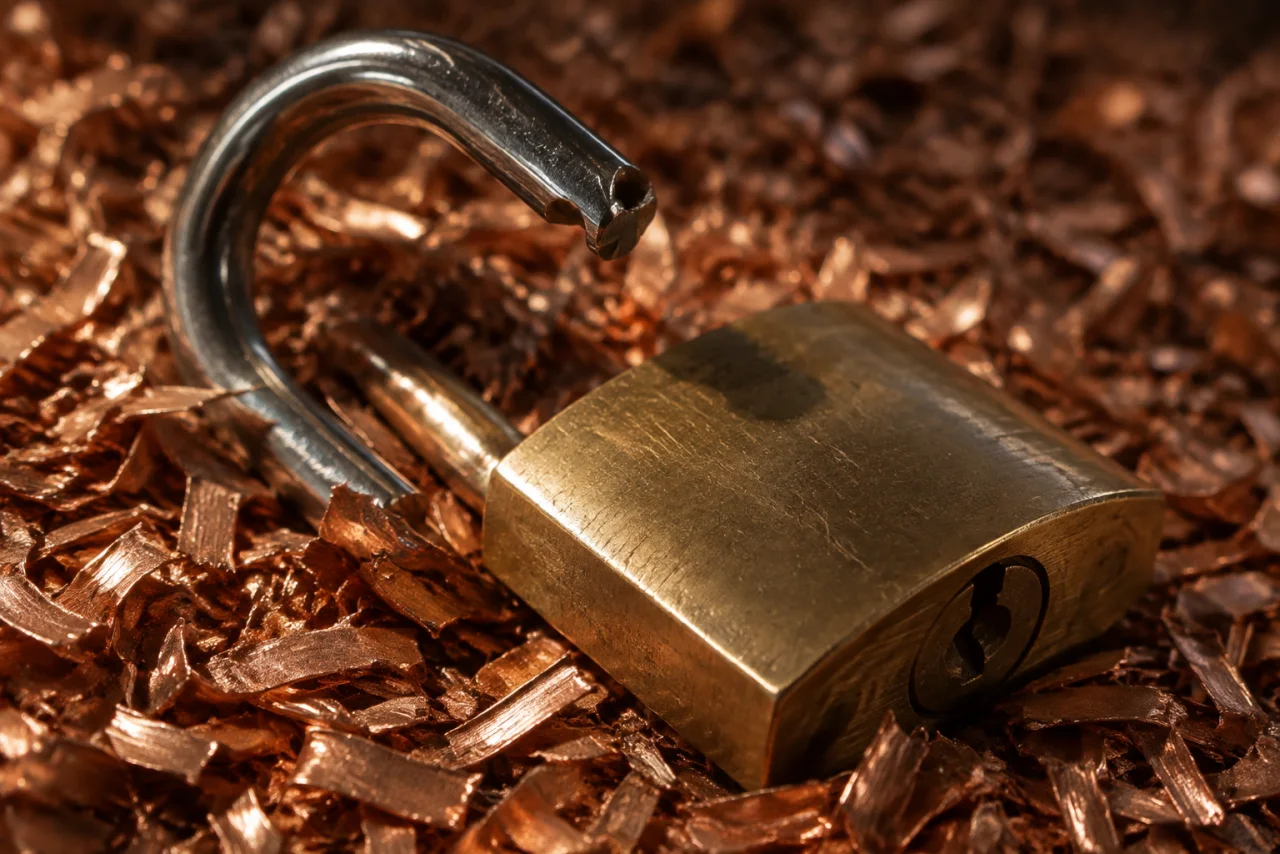
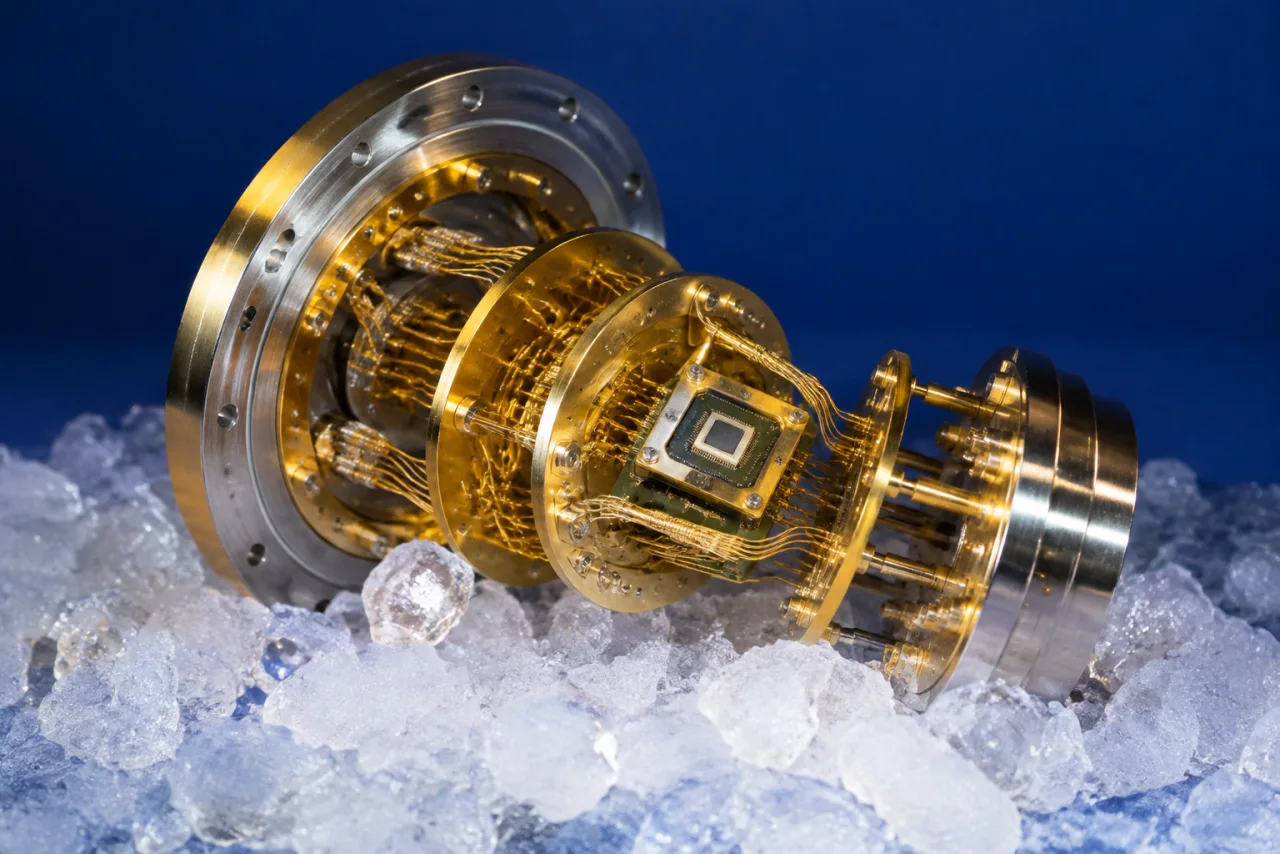
Illustration · generated, not a photograph
European financial regulators are warning that quantum computers may crack the encryption securing blockchains before the technology is even commercially viable, reigniting the question of how bitcoin should handle funds in old, exposed wallets.
In its Autumn 2026 Risk and Vulnerabilities report, released Wednesday, the Joint Committee of the European Supervisory Authorities (ESAs)—comprising the European Banking Authority, the European Securities and Markets Authority, and the European Insurance and Occupational Pensions Authority—said an advanced quantum computer "could undermine some cryptography systems widely used to secure communications, transactions, databases, and blockchains." The report cautions that "threats could materialize earlier than any viable commercial application."
The warning does not claim such a quantum machine exists today, but it underscores a known vulnerability specific to bitcoin. As of now, roughly 6.9 million bitcoin—worth approximately $586 billion—is held in addresses where the public key is already exposed onchain, according to data from Cryptoquant. That figure represents a large share of the cryptocurrency's total supply.
Bitcoin transactions rely on digital signatures to prove ownership. Modern addresses typically hide the public key behind a hash until a transaction is made, offering some protection. But older pay-to-public-key outputs and reused addresses display the public key permanently on the blockchain. If a sufficiently powerful quantum computer emerged, an attacker could mathematically reverse the elliptic curve cryptography from the public key to derive the private key, allowing them to steal the funds.
Not all dormant bitcoin is equally at risk; outputs that keep the public key hashed are still protected for now. However, the EU report adds urgency to a long-running policy battle within the bitcoin community over whether to freeze or relocate funds in legacy addresses before a quantum threat materializes.
Unlike a bank that could patch its systems, bitcoin's security upgrade path is slow. Adopting quantum-resistant signatures would require network-wide consensus, and holders of exposed coins would need to move their funds before an attack becomes possible. The report notes that no quantum computer capable of breaking bitcoin's cryptography exists today, but the timeline for commercial viability may be shorter than many think.
Although the ESA report does not give a specific timeline, a recent IBM assessment projects quantum computing will be in commercial use within four years or less. The watchdogs also highlighted "harvest now, decrypt later" attacks, where encrypted data intercepted today is stored for decryption once quantum machines become powerful enough.
The European Commission's post-quantum roadmap urges member states to begin transitioning to quantum-resistant algorithms by the end of 2026, with protection for high-risk use cases required by 2030. The ESAs' warning suggests that blockchain networks, which are notoriously difficult to update, may need to move faster than traditional financial institutions.
The report adds a new dimension to an existing regulatory push in Europe, where authorities are also mapping rules for stablecoins and other digital assets. As quantum research advances, the blockchain industry faces growing pressure to plan for a post-quantum future—before the technology forces their hand.
Source reporting
The outlets whose reporting this account was written from.
- CoinDeskcoindesk.com/tech/2026/09/24/eu-financial-watchdogs-warn-quantum-computing-poses-imminent-threat-to-blockchain-encryption↗
- Decryptdecrypt.co/379167/q-day-could-arrive-before-quantum-computers-are-commercially-useful-eu-warns↗
Written from the reporting and primary documents credited at the foot of this story. Facts are credited to the outlet or document that established them. How Chainpress works